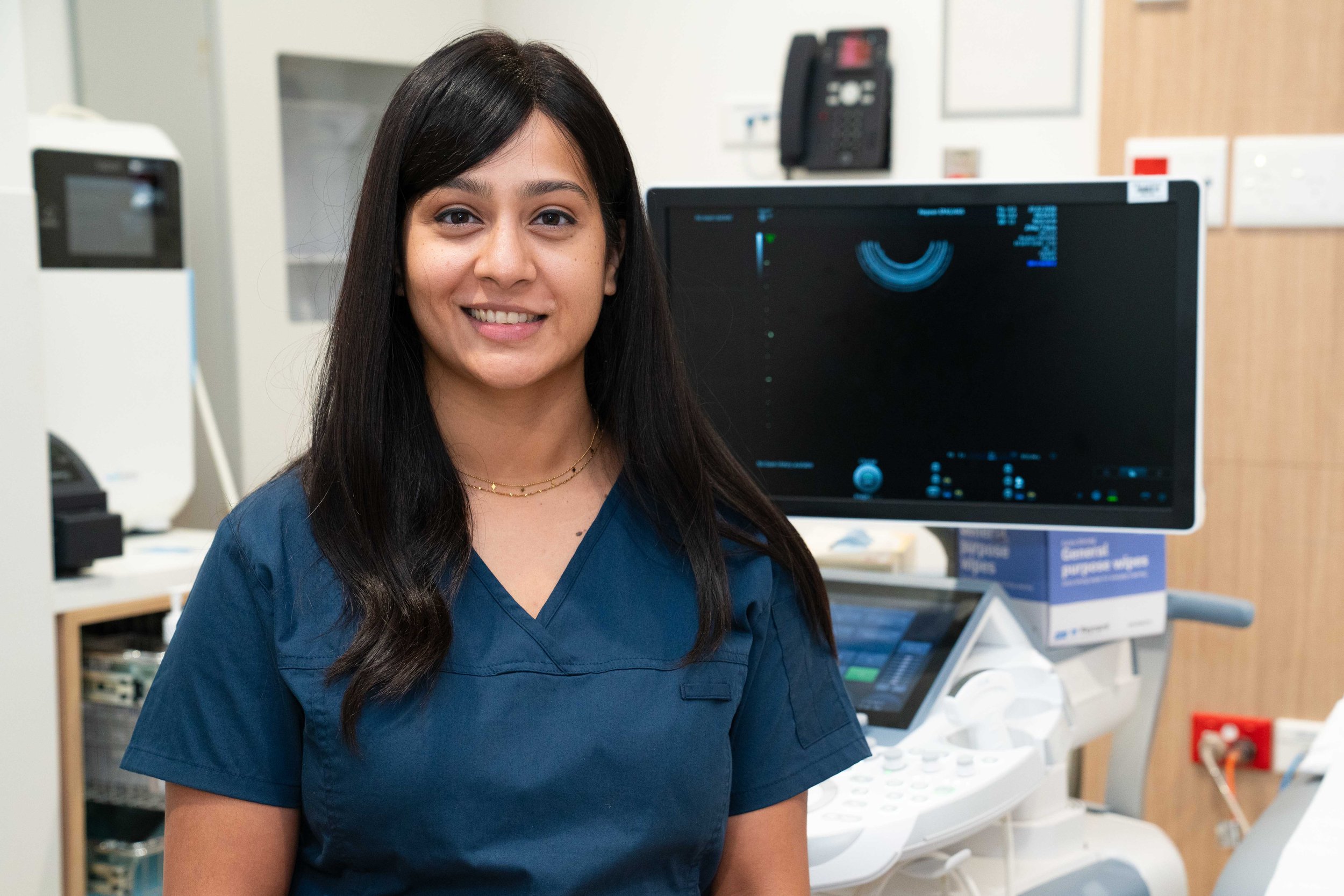
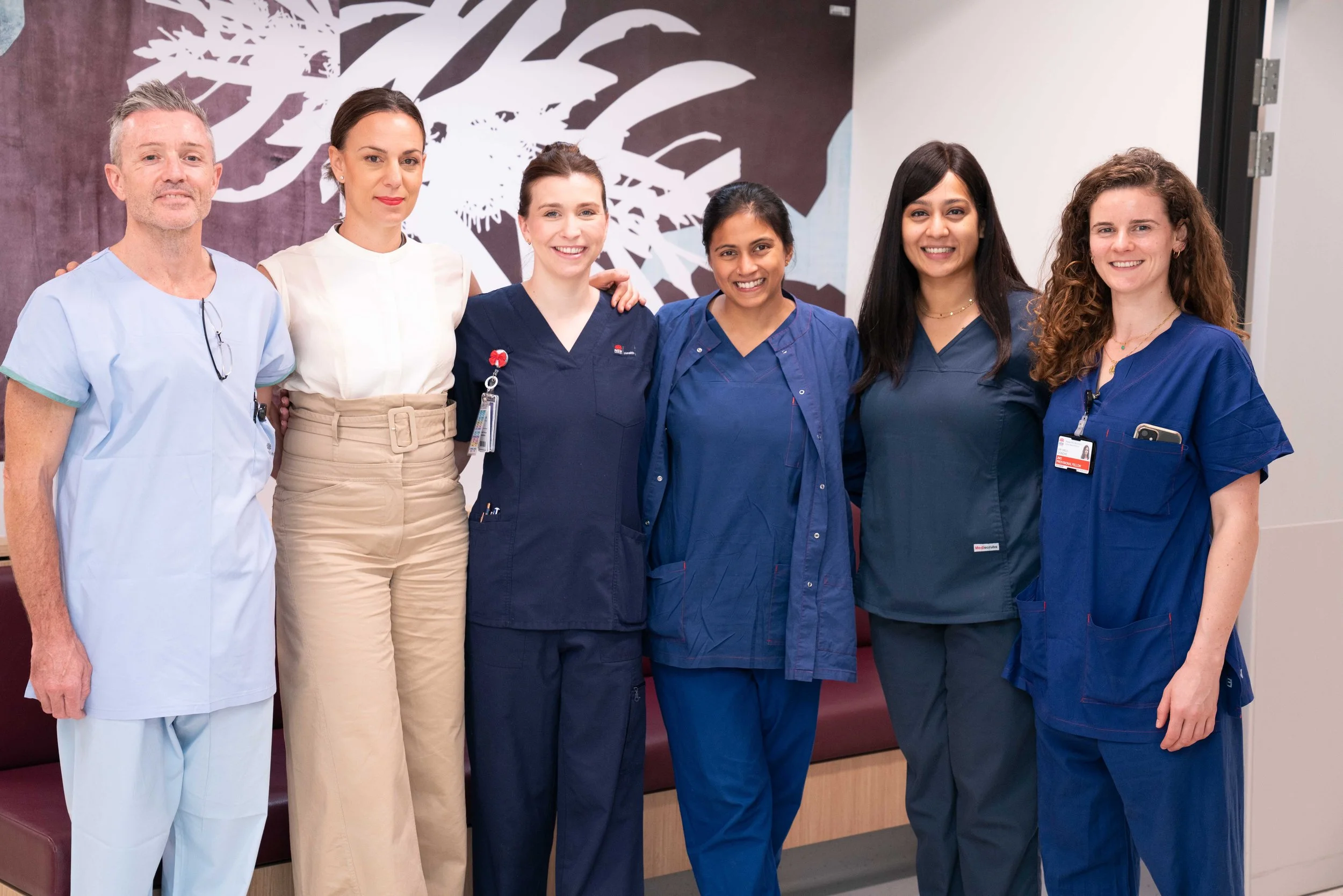
The U-ROC Trial – Advancing care through translational research
Some of the most meaningful research begins with a simple question: "Can we do better for our patients?"
The Ultrasound for Retained Products of Conception (U-ROC) Trial was born from exactly that question. During my time at Nepean Blue Mountains Local Health District, I conducted a retrospective study examining retained products of conception (RPOC). As I reviewed the literature, it became increasingly apparent that this common condition remains surprisingly poorly understood. Despite affecting many women following miscarriage, termination or childbirth, there are currently no unified national or international guidelines to direct management, leaving significant variation in clinical practice.
Too often, women undergo surgery simply because we lack the evidence to confidently identify who may safely recover without an operation. While surgery certainly has an important role, it also carries risks, particularly for women hoping for future pregnancies. I felt we could, and should, generate better evidence.
That led me to conceptualise and lead the U-ROC Trial at Nepean Hospital under the supervision of Professor George Condous. The study aims to determine whether ultrasound can help identify women with RPOC who can be managed safely without surgery, ultimately improving patient care while avoiding unnecessary intervention. The project was recognised with a highly competitive RANZCOG Women's Health Foundation Trainee Research Grant, something I remain incredibly proud of.
Recruitment is continuing, with the study expected to conclude in 2027. I am excited to see what the results will contribute—not only for our patients at Nepean, but hopefully for clinicians managing RPOC across Australia and internationally.
Watch this space for updates!
You can also read more about the study in the Nepean Blue Mountains Local Health District feature:
New research aims for better care after pregnancy loss complications